
Confirm the Details
Reconfirm your moving date, expected arrival window, address details, access instructions, and any final arrangements with your mover or moving provider.
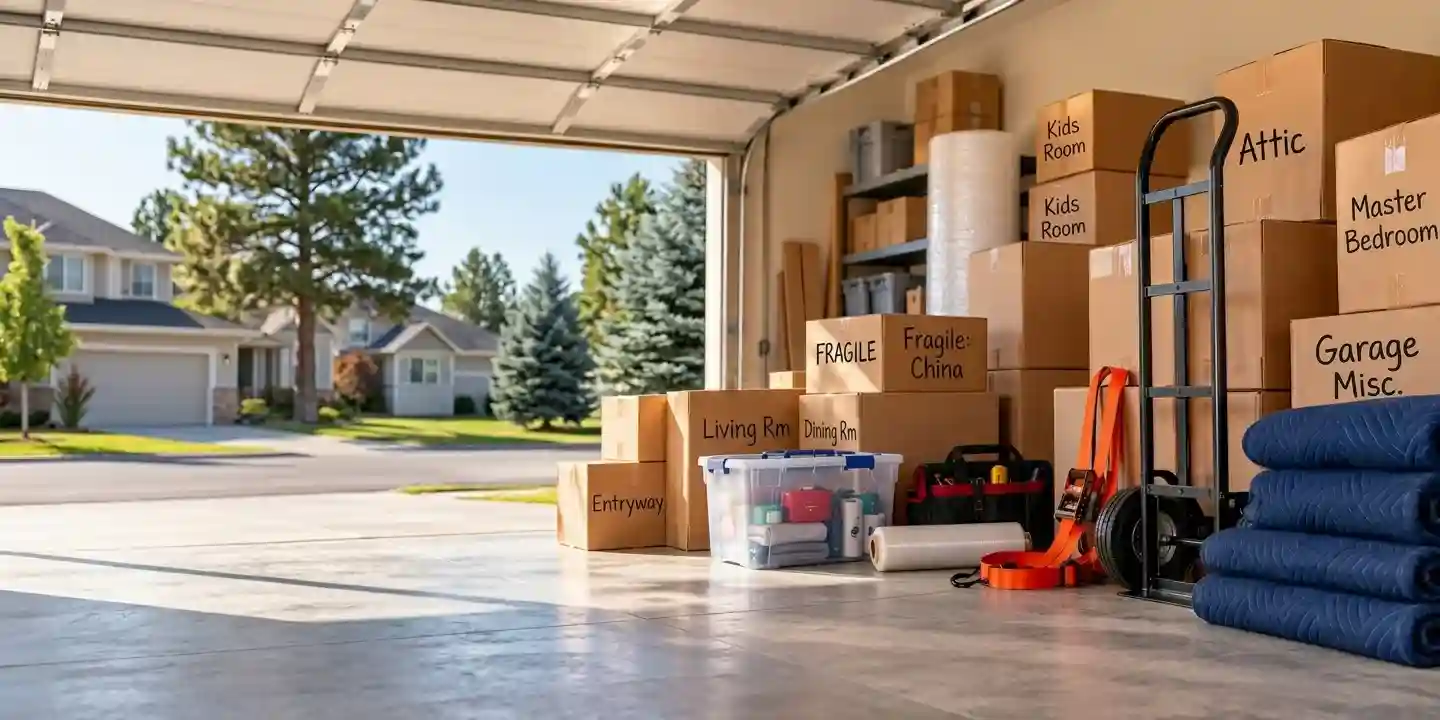
A practical guide to getting ready for movers, protecting your home, organizing essentials, and keeping moving day on track from the first arrival to the final walkthrough.
Confirm arrival details with your mover or moving provider, finish packing, label boxes clearly, clear pathways, protect floors and doorways, set aside the essentials you will keep with you, plan for children and pets, and keep important documents and valuables in your possession.
Get the important details settled before the movers arrive so moving day starts organized and stays easier to manage.
Reconfirm your moving date, expected arrival window, address details, access instructions, and any final arrangements with your mover or moving provider.
Keep clothes, toiletries, medications, chargers, keys, snacks, and other first-night necessities separate from the boxes being loaded.
Clear walkways and use appropriate protection on floors, doorways, railings, and other areas that may see heavy moving-day traffic.
Mark each box with its destination room and useful handling information so unloading and finding important items is easier.
Decide where children and pets will stay while furniture and boxes are moving through open doors and busy walkways.
Keep identification, important paperwork, medications, keys, jewelry, and other personal valuables in your possession rather than packing them on the truck.
Good moving-day rule: anything you may need immediately, cannot easily replace, or do not want loaded should stay with you.
Work through the final week, the last few days, moving morning, and arrival so the most important details do not get lost in the rush.
Lock down the major details before the final few days.
Get the house and remaining belongings ready.
Reduce morning-of scrambling as much as possible.
Get the home ready before loading begins.
Keep communication simple and the work area clear.
Finish the move carefully before switching into unpacking mode.
Your checklist progress stays in this browser. Checking a task does not submit information to MoverDude or send anything to a moving provider.
Use these practical guides to handle four parts of moving day that are easy to overlook until the last minute.
Keep the things you will need during the move and your first night somewhere they cannot accidentally be loaded.
Prepare the highest-traffic areas before furniture and boxes begin moving through the house.
Before leaving the old home, make one deliberate pass through every room instead of relying on memory.
Moving day means open doors, strangers, equipment, noise, and constant traffic, so make the safety plan beforehand.
These four topics are part of this guide, so you do not need to create four additional pages. Expand any card when you need the detailed checklist.
A few simple decisions can reduce last-minute scrambling, keep the work area easier to manage, and help you stay in control while the move is happening.
Put anything you may need during the move or immediately after arrival in one clearly identified bag, tote, or box that travels with you instead of on the moving truck.
Clear the route between rooms and the loading area before work starts. Movers should not have to navigate loose rugs, clutter, packed hallways, or blocked entrances.
Be available when the moving team arrives and point out anything that needs special attention before loading starts instead of assuming everyone already knows.
Get clear answers to common questions about the final preparations, moving morning, protecting your belongings, and wrapping up moving day.
Finish as much packing as possible, label the remaining boxes, charge important devices, and place your essentials somewhere they cannot accidentally be loaded.
Clear the paths movers will use and confirm any important arrival, parking, access, child-care, or pet-care details before you go to bed.
Try to have your packing, access preparation, and essentials separation finished before the expected arrival window begins.
Being ready beforehand gives you time to handle small last-minute issues without immediately delaying the move. Keep your phone nearby in case the provider needs to contact you.
Keep identification, wallets, keys, medications, important documents, chargers, essential electronics, jewelry, and other personal valuables with you.
Also keep anything you expect to need before your belongings are available again. A clearly marked essentials bag or tote can make this much easier.
Clear entrances, hallways, stairs, and other moving paths before loading begins. Remove loose rugs, clutter, cords, or anything else that could create a trip hazard.
Use appropriate protection on vulnerable floors, doorways, corners, or railings when needed, and point out tight spaces or fragile surfaces before work starts.
Document the issue as soon as practical with clear photographs and notes, and bring it to the moving provider's attention.
Keep copies of relevant estimates, inventories, receipts, contracts, and other move paperwork. Reporting or claims procedures vary by provider and move type, so follow the instructions provided by the business handling your move.
Check rooms, closets, cabinets, storage areas, and the loading or delivery area for anything that may have been missed. Look for visible damage and review paperwork that requires your attention.
At the destination, make sure your essentials are accessible and do a final walkthrough before turning your attention completely to unpacking.
Organize the rest of your move, compare your options, and decide whether you want to request contact from moving providers when you are ready.
MoverDude is an independent moving-information and provider-connection platform, not a moving company. You choose whether to request provider contact.